
When Does a Roadmap Become a Pattern?
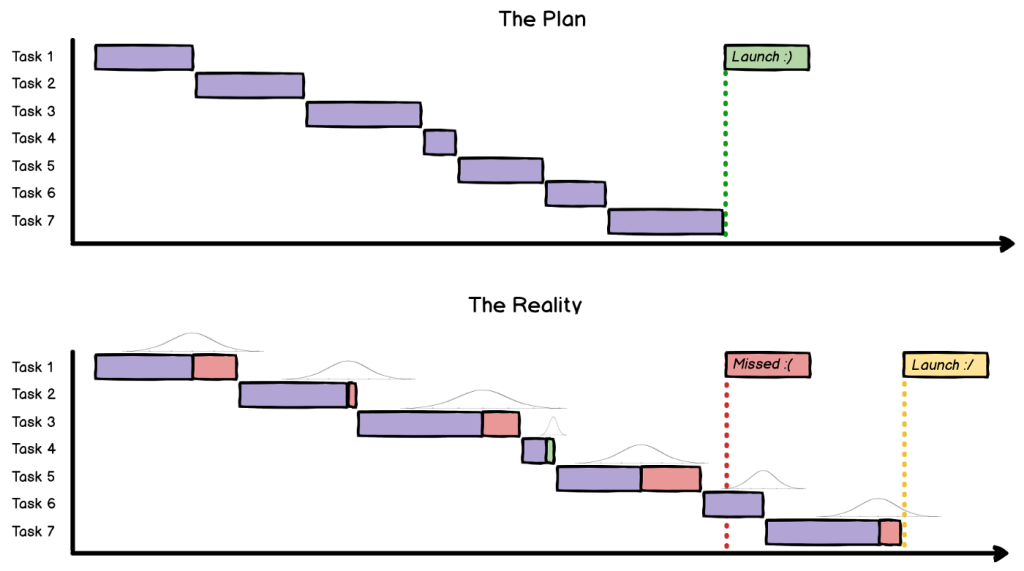
This article is written as an open message to the BiDao project and its leadership, including CEO Bastian Aigner, after nearly seven years of development, delays, revised timelines, and repeated promises about future progress.
After such a long period, it is no longer unreasonable for the community to ask difficult questions.
A Pattern of Delays
Over the years, the BiDao project has presented multiple roadmaps, deadlines, and expectations. When deadlines were not met, new timelines were introduced. When those timelines passed, plans were adjusted again. Communication often became quiet during difficult periods, followed by new updates that again moved expectations further into the future.
Individually, delays can happen in any complex project.
But when delays become structural and timelines continuously move forward by another year, and then another year, it stops looking like an exception and starts looking like a pattern.
Death by Delay
This pattern is sometimes described as “death by delay” — not when a project officially stops, but when it slowly loses momentum, trust, and community energy while technically still continuing.
The cycle often looks like this:
Promises → Timeline → Delay → Silence → New Promise → New Timeline → Delay again
After almost seven years, the community may reasonably ask whether the project is truly progressing toward completion, or whether the timeline is simply being extended again and again without a clear end point.
Questions That Deserve Answers
This raises difficult but legitimate questions for the leadership of the project, including CEO Bastian Aigner:
- How many more timeline extensions should the community expect?
- At what point are delays no longer temporary but structural?
- Is there a realistic delivery timeline?
- Or will the roadmap continue to move forward every time a deadline approaches?
These are not accusations, but they are fair questions after nearly seven years of development with limited visible final results compared to early expectations.
Trust Is Built by Delivery
Trust is built through delivery, transparency, and communication.
Trust is lost through repeated delays, shifting timelines, and long periods of silence.
Many community members have shown patience for years. But patience is not infinite, and support from a community should not be taken for granted. A project does not only run on technology and funding — it runs on trust.
Right now, the biggest risk to BiDao may not be technology, markets, or regulation, but time itself.
Because every year of delay reduces confidence, reduces attention, and slowly reduces the community that once believed in the project.
Final Thought
No project collapses overnight after seven years.
But many projects slowly fade away through delays, postponed milestones, and promises that are always just another year away.
That is why the community is no longer only waiting for the next roadmap, the next promise, or the next delay announcement.
The community is waiting for proof that the project is actually moving toward completion — not just moving the timeline forward again.
Because after seven years, the most important question is no longer what is planned, but what is actually delivered.